

SpaceX Falcon 9 Booster Reaches Historic 30th Flight Milestone Amid Record-Breaking Launch Cadence
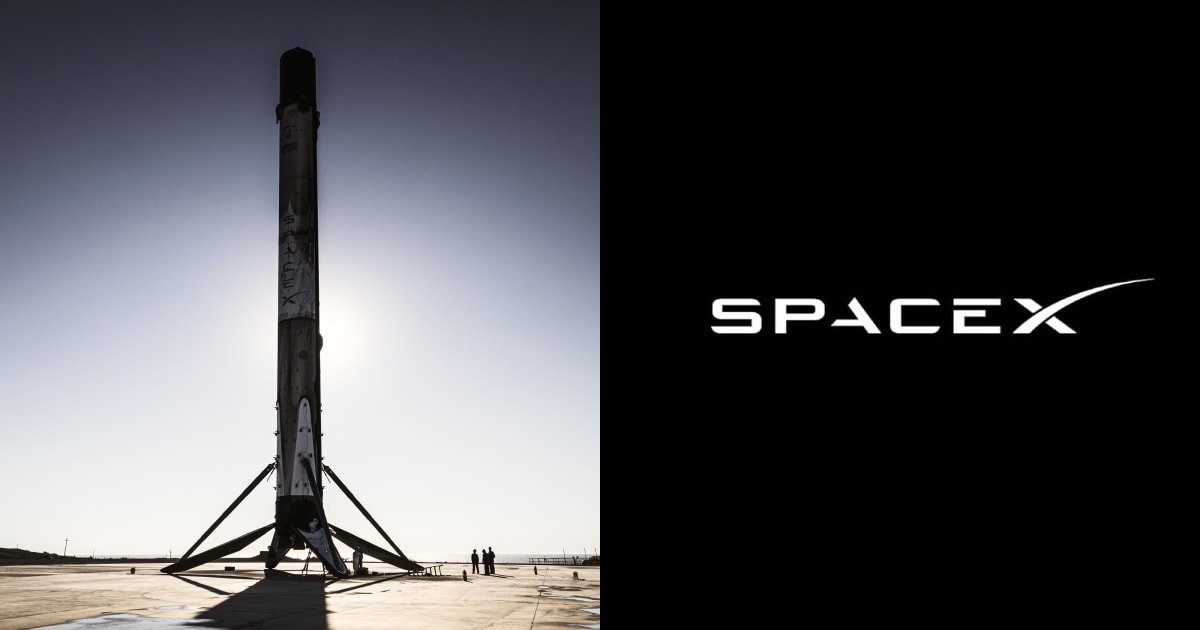
VANDENBERG SPACE FORCE BASE, Calif. – SpaceX achieved another reusability milestone today as a veteran Falcon 9 first-stage booster, tail number B1071, soared to space for its 30th mission, underscoring the company's relentless push toward affordable and sustainable spaceflight.
The booster powered the Transporter-15 rideshare mission, launching from Space Launch Complex 4 East (SLC-4E) at Vandenberg Space Force Base. Liftoff occurred at approximately 10:00 a.m. EST (07:00 a.m. PST), deploying 140 diverse spacecraft — including CubeSats, smallsats, and experimental payloads — into a Sun-synchronous orbit. Deployment began about 55 minutes post-liftoff, wrapping up over 2.75 hours later with NASA's Realizing Rapid, Reduced-cost high-Risk Research (R5) CubeSat.
A Booster's Epic Journey
B1071, one of SpaceX's most battle-tested rockets, joined an elite club alongside B1067, which set the current record with a 31st flight in October 2025. This marks the second Falcon 9 booster to hit the 30-flight threshold, a feat unimaginable a decade ago when boosters were largely expendable. Since its debut in 2020, B1071 has supported everything from Starlink constellation builds to national security payloads, logging over 1.5 million kilometers in space.
Post-separation, the booster executed a pinpoint autonomous landing on the droneship Of Course I Still Love You in the Pacific Ocean, about 640 km downrange — bringing SpaceX's total booster recoveries to 540. "30 flights of the same rocket!" Elon Musk exclaimed on X, celebrating the achievement with characteristic brevity and enthusiasm. (Note: Musk's post referenced a recent Starlink mission, but the sentiment echoes across the fleet's milestones.)
Why This Matters: Reusability Revolution
Falcon 9's Block 5 boosters, introduced in 2018, were designed for 10+ flights, but SpaceX has shattered those limits through iterative engineering — stronger materials, refined landing algorithms, and rapid refurbishments. As of November 2025, the fleet has flown 571 missions total, with 99.5% success rate and 523 successful landings.
This reusability has slashed launch costs by up to 90%, enabling SpaceX's dominance: 83% of global orbital mass in Q3 2025 alone. Transporter-15 exemplifies this, offering rideshare access to over 140 customers at a fraction of traditional prices — democratizing space for universities, startups, and agencies like NASA.
Analysts hail it as a "reusability inflection point." "B1071's 30th flight isn't just a record; it's proof that orbital-class rockets can operate like commercial airliners," said NASASpaceflight.com's Chris Gebhardt. With Starship's development accelerating, Falcon's endurance buys time for humanity's multi-planetary ambitions.
Broader SpaceX Momentum
This launch caps a banner week: Just days ago, SpaceX notched its 117th Falcon 9 mission of 2025, including a fresh booster debut on November 23. Meanwhile, Starlink's humanitarian arm activated free service in flood-ravaged Indonesia through December, with Musk affirming: "It would not be right to profit from misfortune."
Challenges persist — recent fairing reuse records (up to 32 flights per half) and rapid turnarounds (as low as 9 days) strain the supply chain — but today's success reaffirms SpaceX's trajectory.
As B1071 heads for refurbishment, eyes turn to Starship's next integrated flight test. For SpaceX, 30 flights are no longer the pinnacle — they're the new baseline.
Share your thoughts with us on X, and don’t forget to follow us for more updates on Elon Musk’s visionary future.